
|
G
|
F
|
M
|
A
|
M
|
G
|
L
|
A
|
S
|
O
|
N
|
D
|
|
G
|
F
|
M
|
A
|
M
|
G
|
L
|
A
|
S
|
O
|
N
|
D
|
|
G
|
F
|
M
|
A
|
M
|
G
|
L
|
A
|
S
|
O
|
N
|
D
|
Informazioni su questa pianta
Cosa rende speciale questa pianta
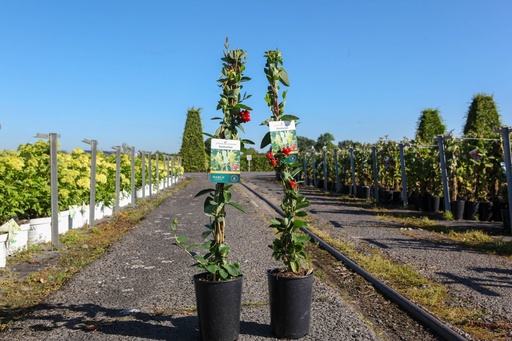
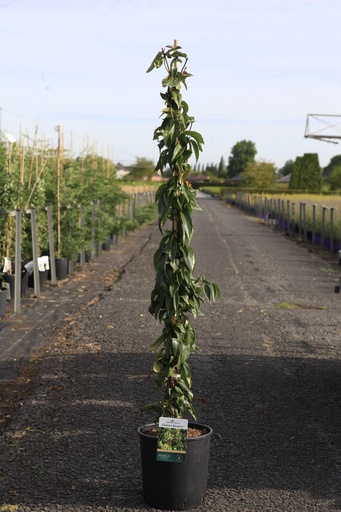
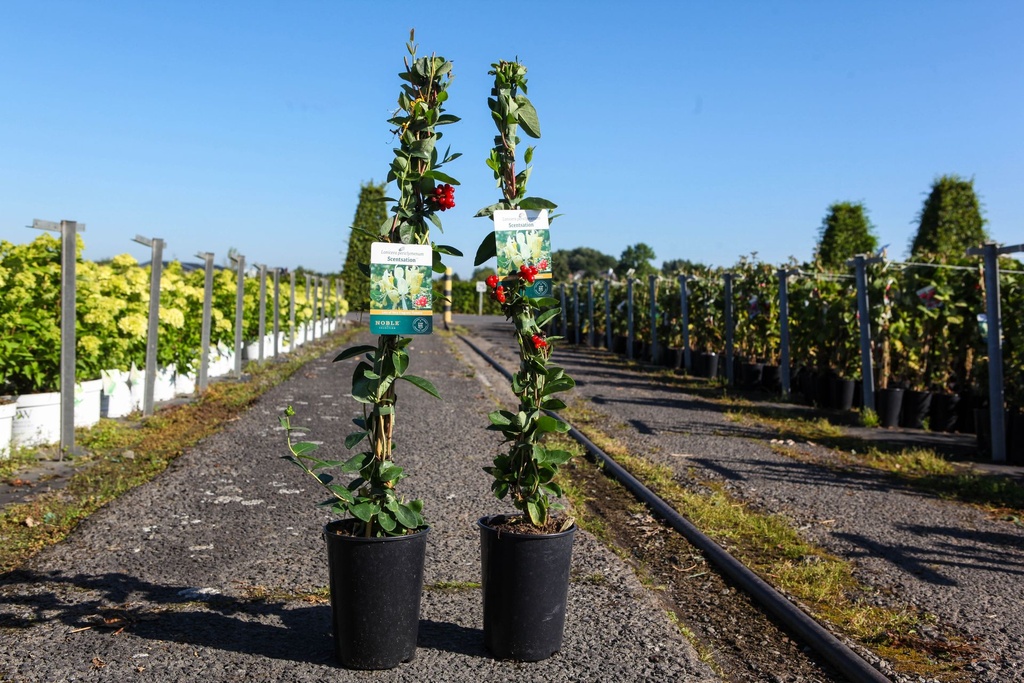
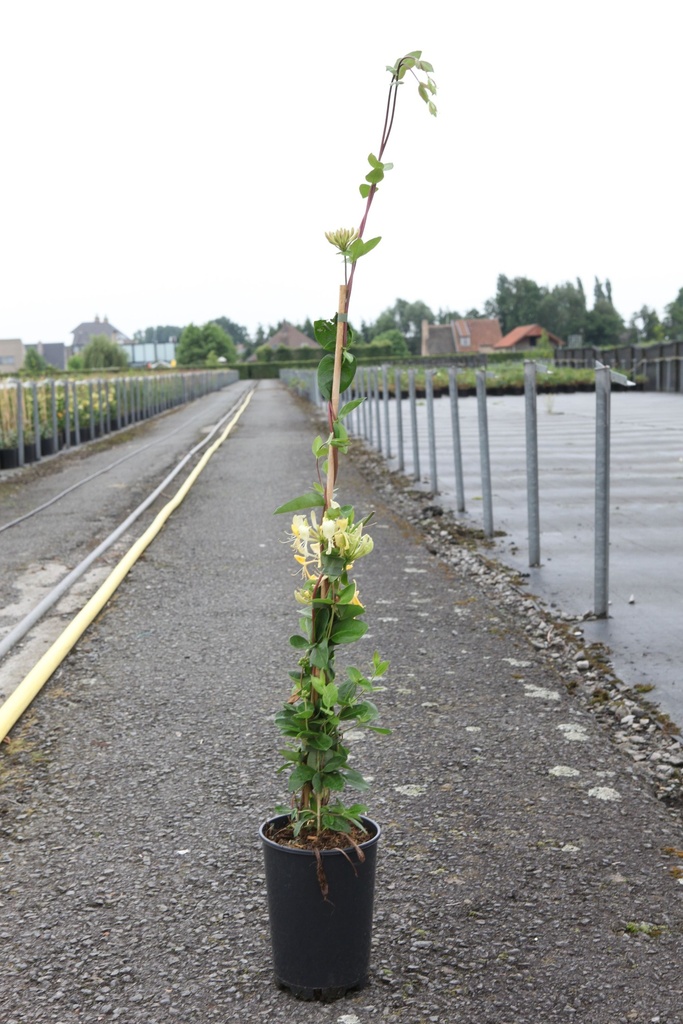
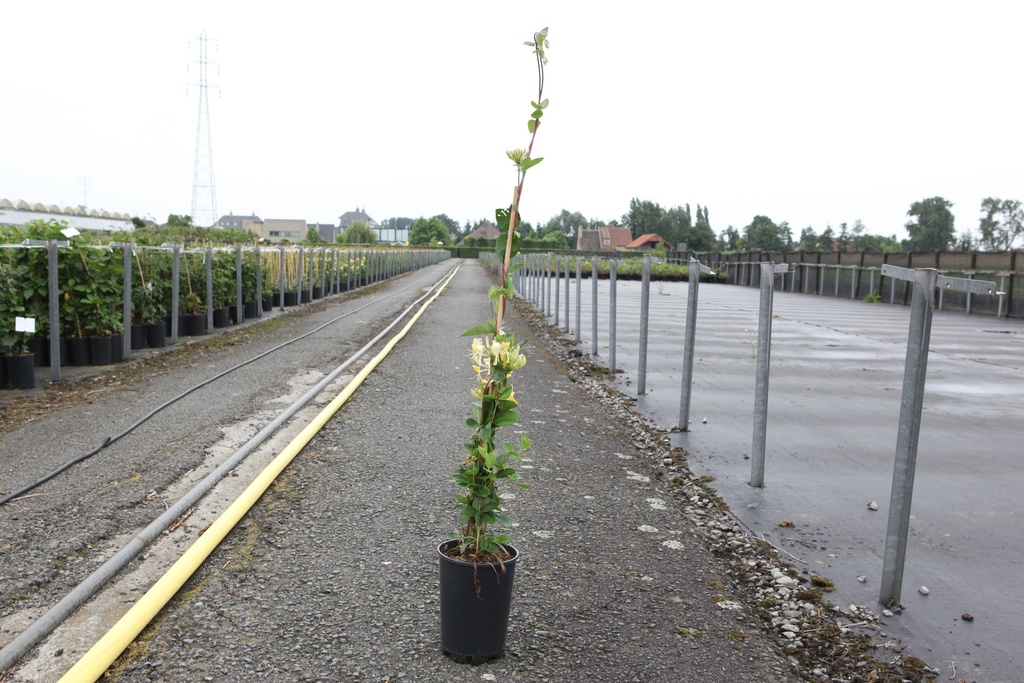
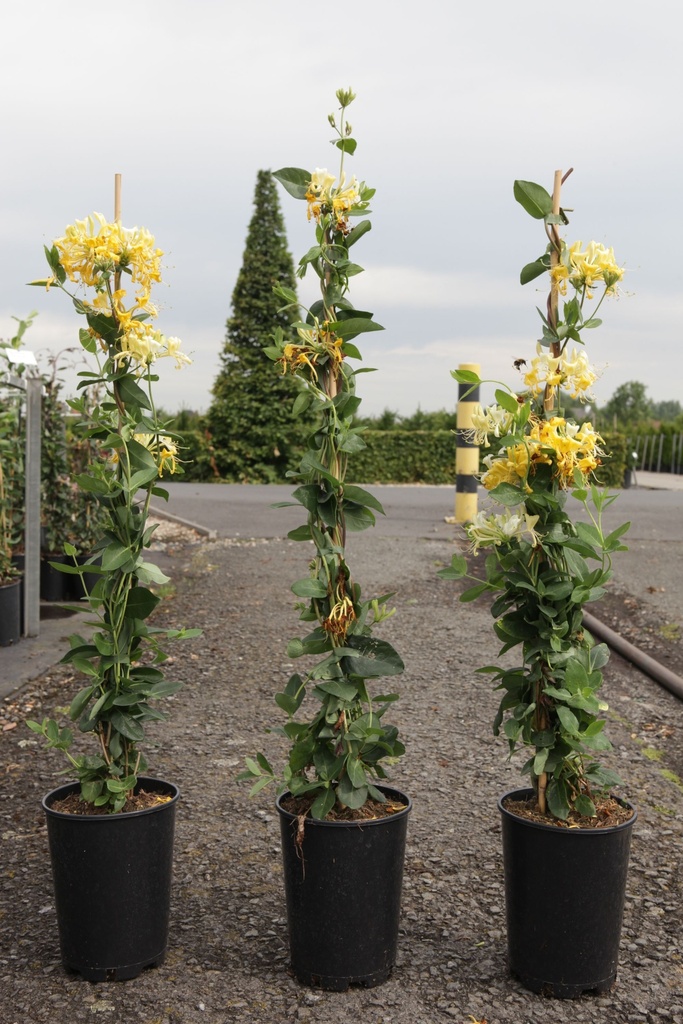
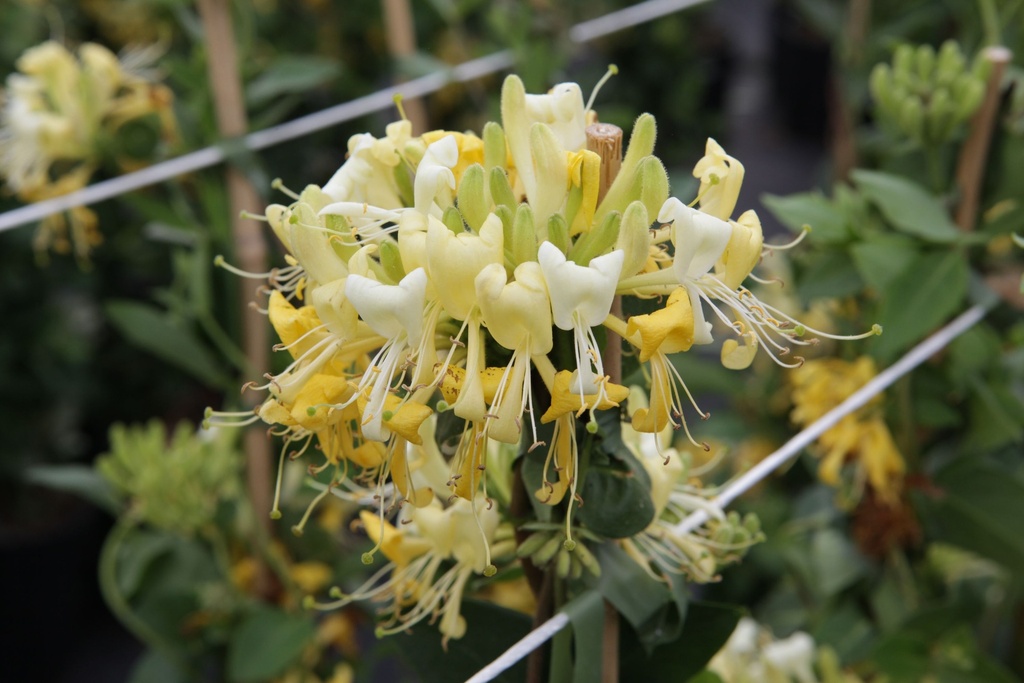
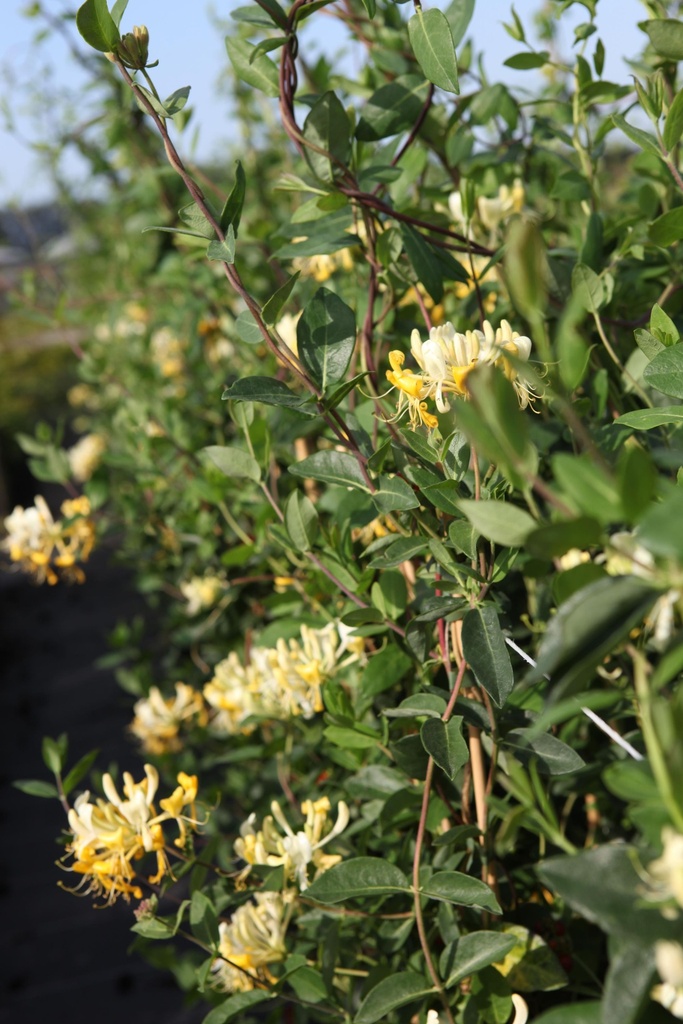
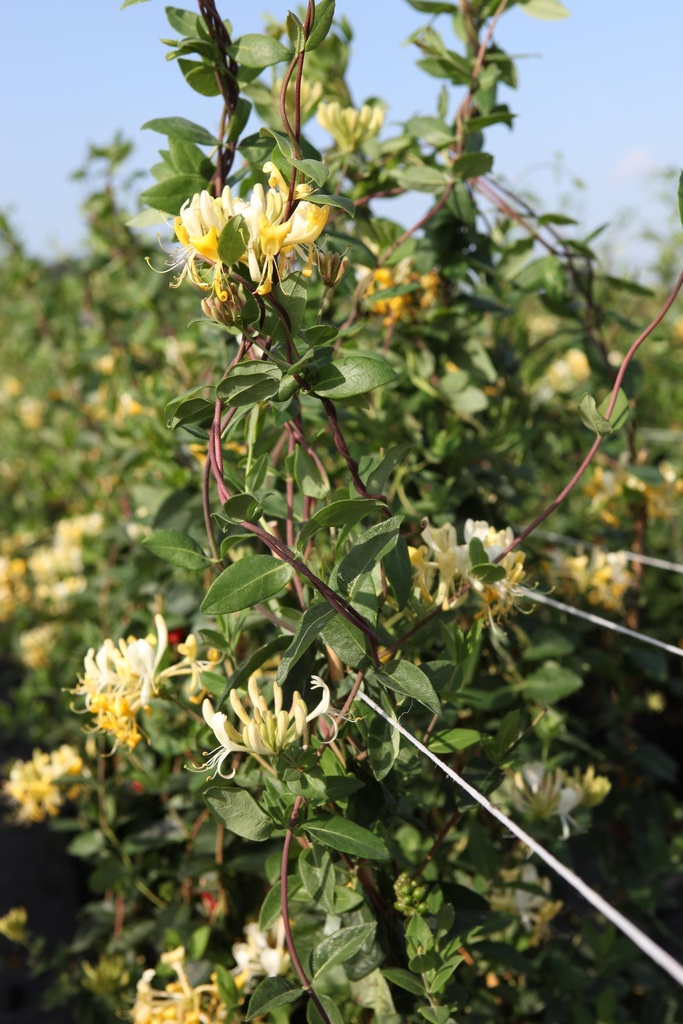
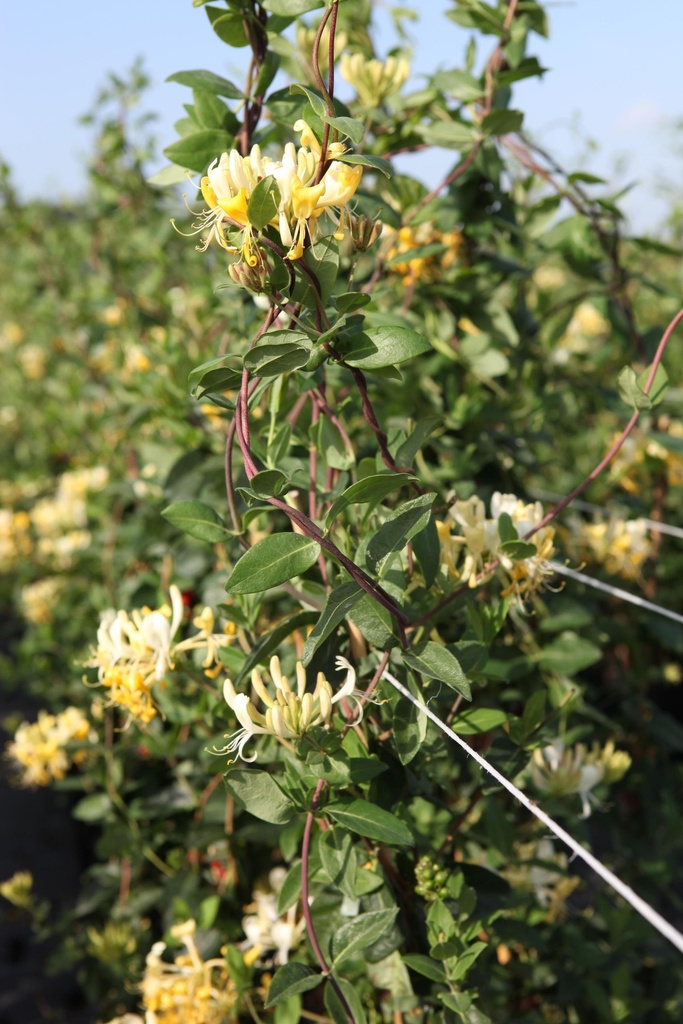
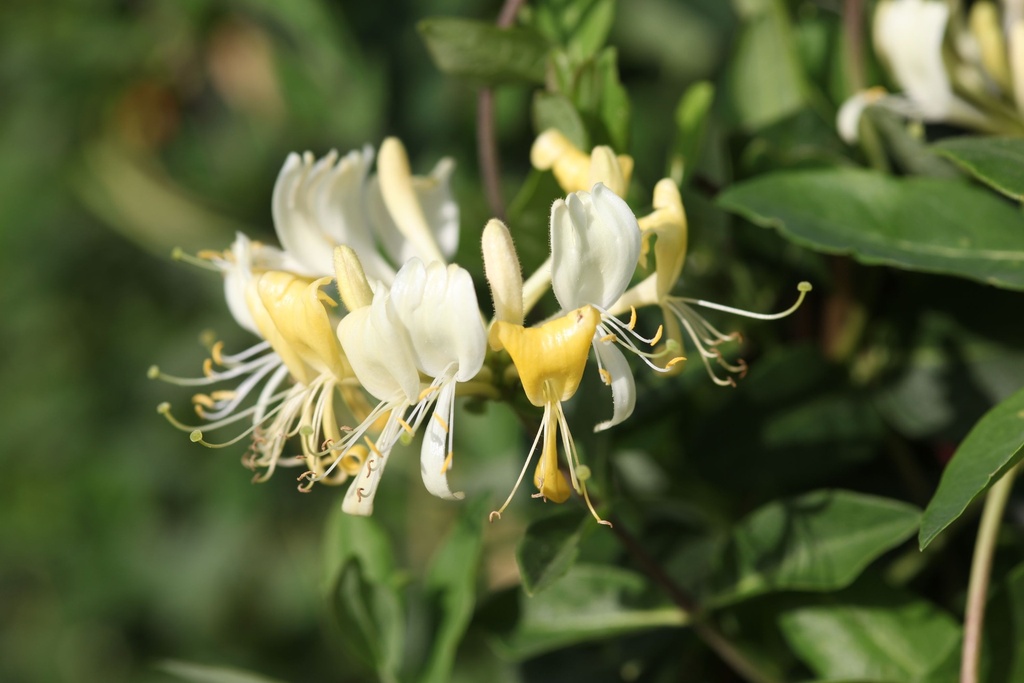
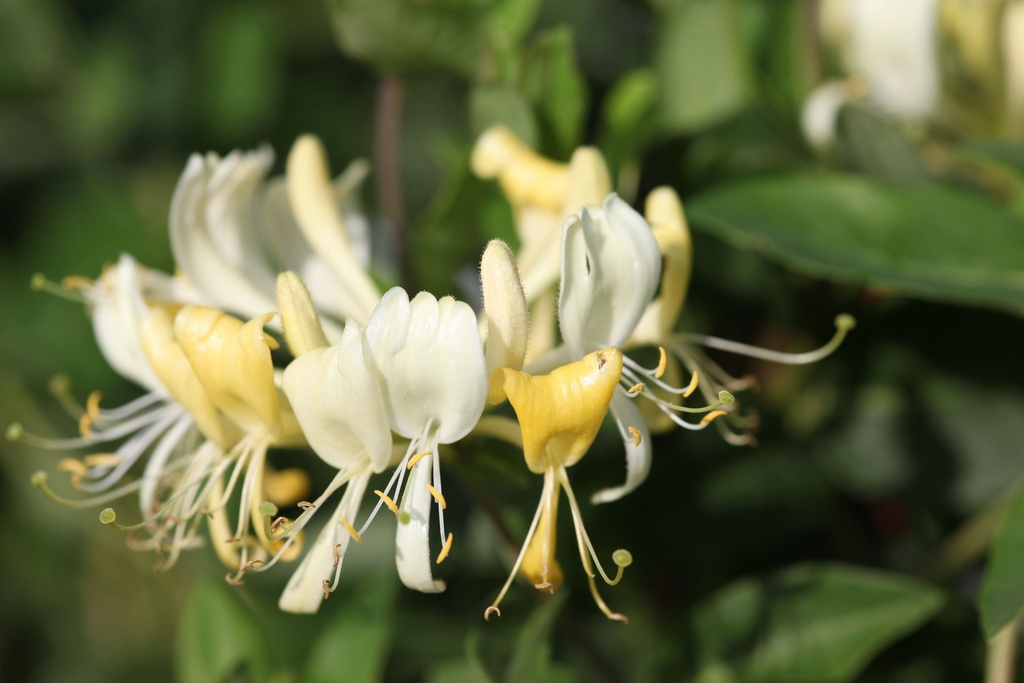
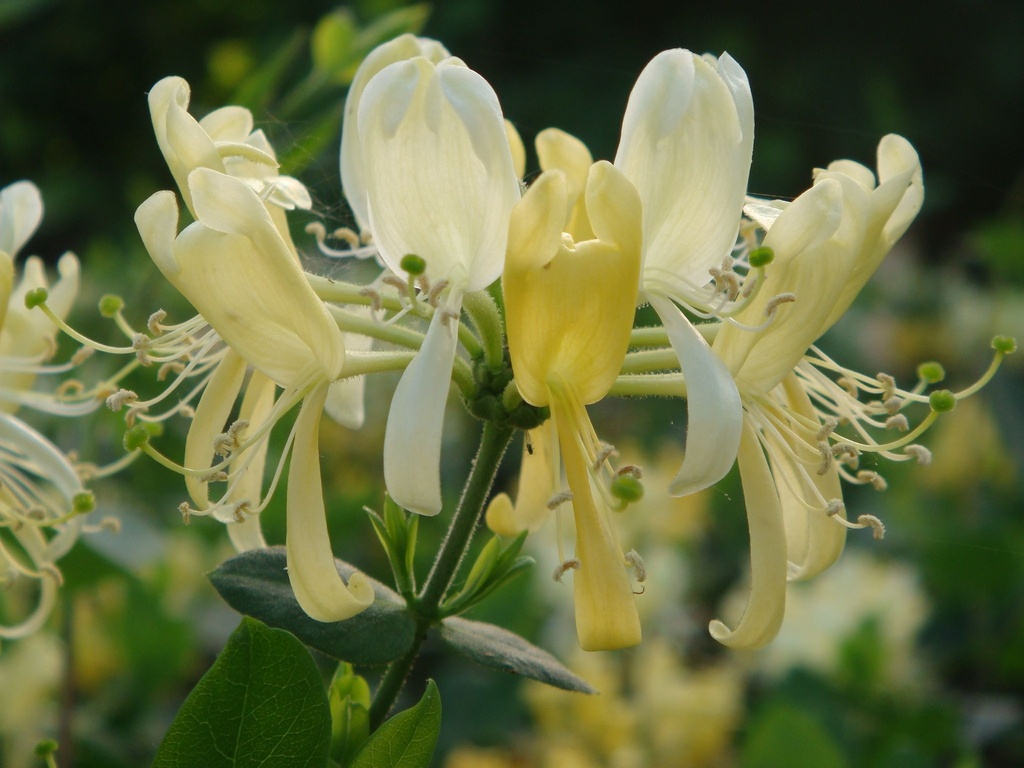
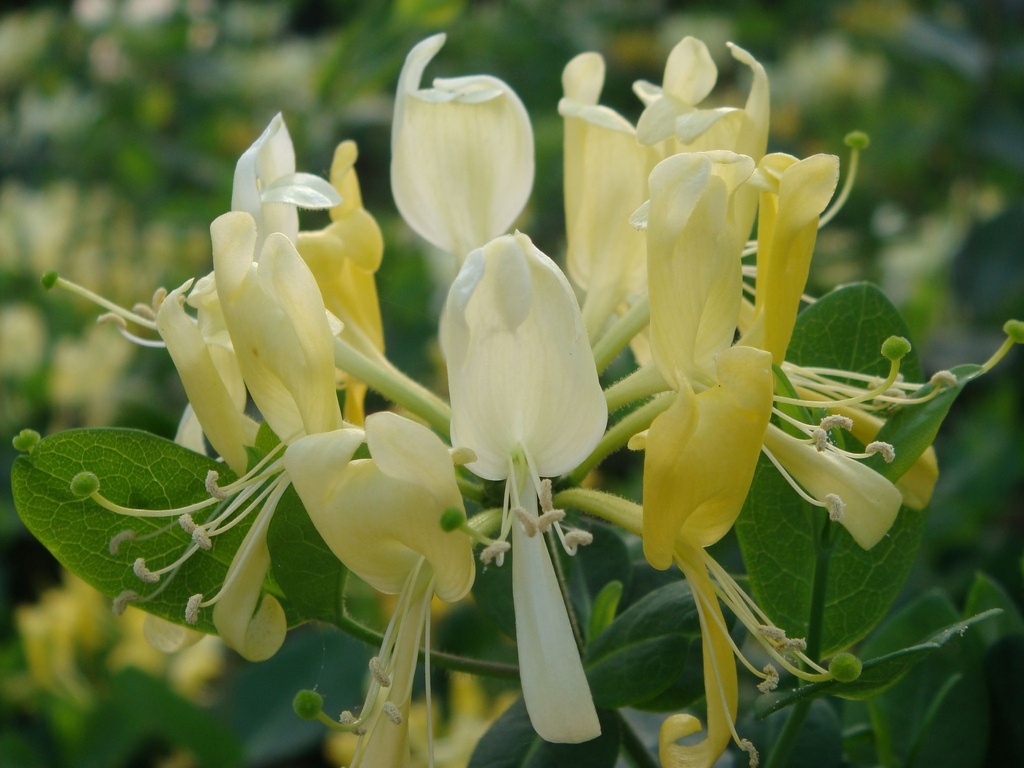
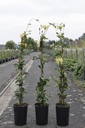
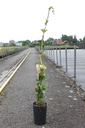
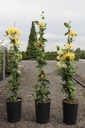
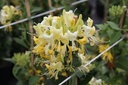
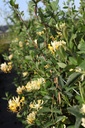
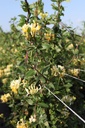
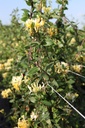
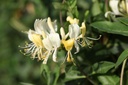
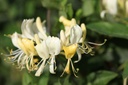
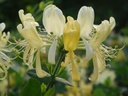
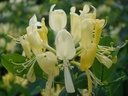
'Scentsation' flowers more freely, is more fragrant and stays more compact than the wild species, reaching just 2 to 3 m; it was voted Climbing Plant of the Year 2016 in Montreal. From June to September, wave after wave of white flowers ageing to yellow scent the garden, above all at dusk, and bright red berries join them from July.
Lonicera
Le lonicere (Lonicera) formano un genere di circa 180 specie, per la maggior parte decidue. Alcune sono rampicanti volubili con fiori tubolari, spesso profumati, riuniti in verticilli all'apice dei getti; il gruppo più numeroso è costituito da arbusti cespugliosi con fiori appaiati lungo i rami. Tutte producono bacche, e quelle del mirtillo siberiano si coltivano come frutta.
Lonicera periclymenum
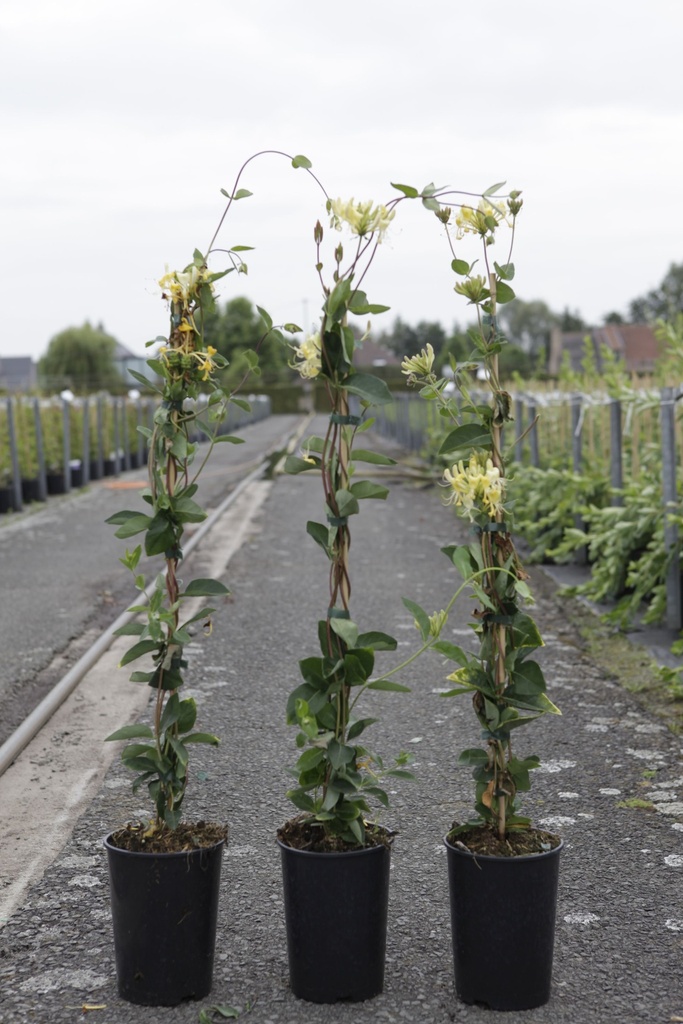
Lonicera periclymenum is the native woodland honeysuckle of western Europe, a deciduous twining climber of about 5 to 7 m. From early summer to early autumn it bears whorls of creamy-yellow flowers, often flushed red or purple, with a powerful evening fragrance, followed by bright red berries.
Esposizione e terreno
Partial shade suits it best, as at a woodland edge, in a cool, humus-rich, moist but well-drained soil, neutral to slightly acid. Fully hardy in Belgium; in full sun keep the roots shaded and watch for aphids.
Potatura e cura
Give a light tidy-up after flowering in October, or rebalance the plant at the end of winter, in February or March; a bare old plant can be cut back hard at that time. Water regularly and mulch to keep the soil cool.
Utilizzo in giardino
Ideal for wildlife-friendly gardens, scrambling through hedges and trees or covering fences, trellises and pergolas; also grown in a large tub on a terrace. Shelter and food for birds and insects; the berries are mildly toxic to people.
Caratteristiche della pianta
Dati botanici
| Famiglia | Caprifoliaceae |
| Genere | Lonicera |
| Specie | periclymenum |
| Cultivar | 'Scentsation' |
Fioritura
| Periodo di fioritura | may – july |
| Colore (fiore) | yellow, orange |
| Fiori | fragrant |
Fogliame
| Sempreverde | no |
| Colore (fogliame) | green |
Portamento
| Altezza | 300 cm |
Posizione
| Rusticità | zona 5a (fino a -28,9 °C) |
| Caldo estivo | fino alla zona di calore 9 |
| Tipo di terreno | kalkrijk, acid, neutral |
| Esposizione | sun, half shade |
| Umidità del terreno | moist, normal |
Utilizzo
| Tipo (uso) | climbing, solitary, in group |
Cura
| Potatura | february – march, october |
Privativa vegetale
Lonicera periclymenum 'Scentsation' (PBR) is subject to European Plant Breeders Rights under nr. 20020559. Asexual propagation and/or use of the trademark without license are prohibited.