

|
s
|
l
|
m
|
k
|
m
|
c
|
l
|
s
|
w
|
p
|
l
|
g
|
|
s
|
l
|
m
|
k
|
m
|
c
|
l
|
s
|
w
|
p
|
l
|
g
|
|
s
|
l
|
m
|
k
|
m
|
c
|
l
|
s
|
w
|
p
|
l
|
g
|
O tej roślinie
Co wyróżnia tę roślinę
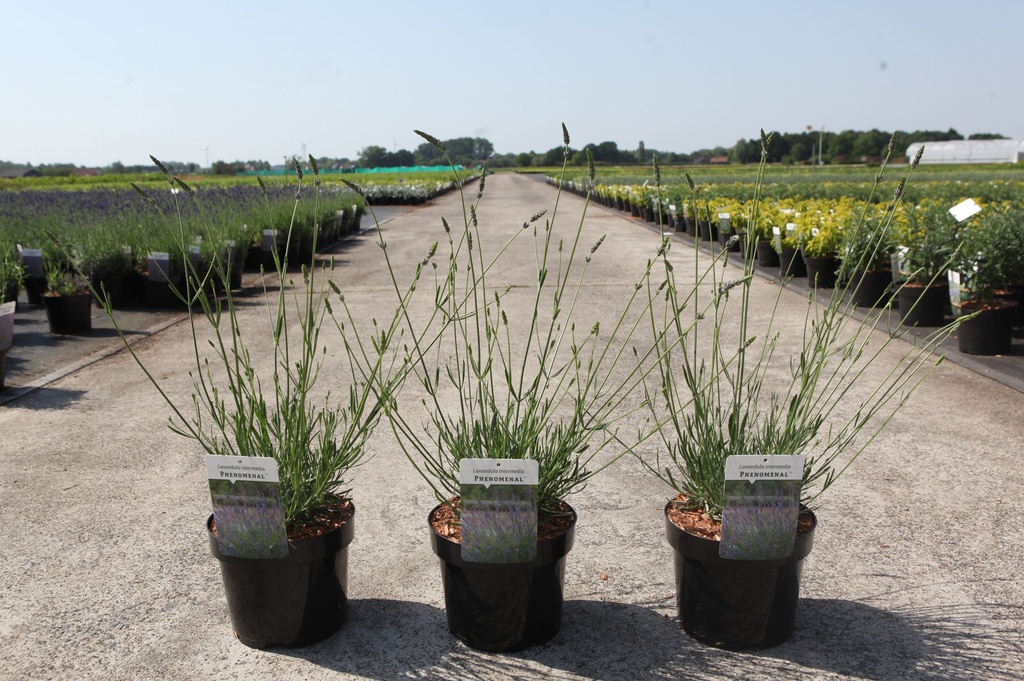
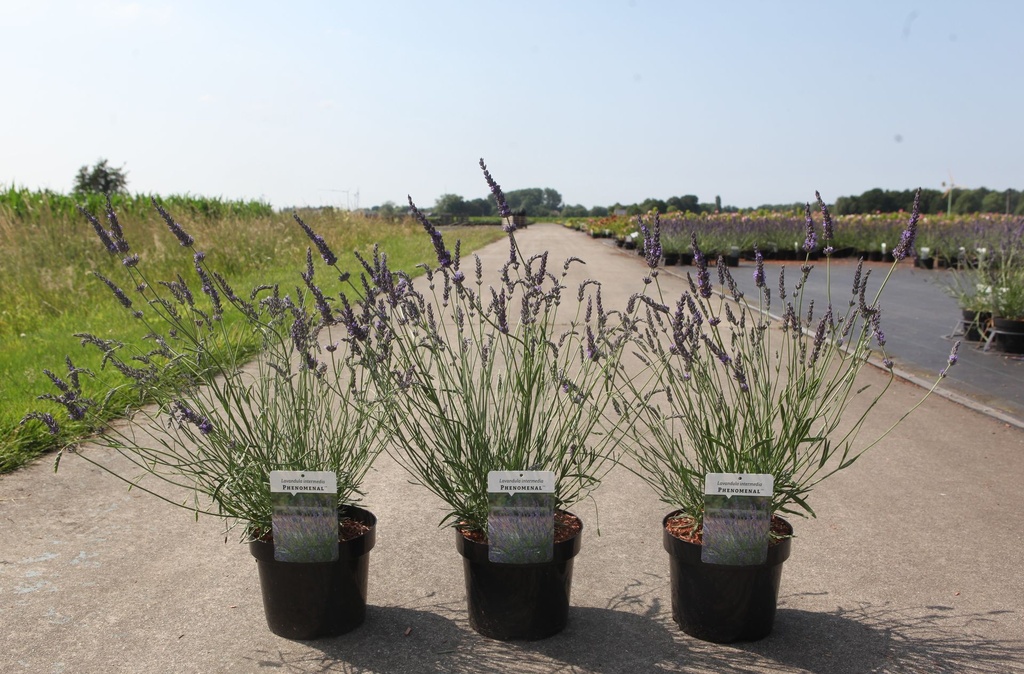
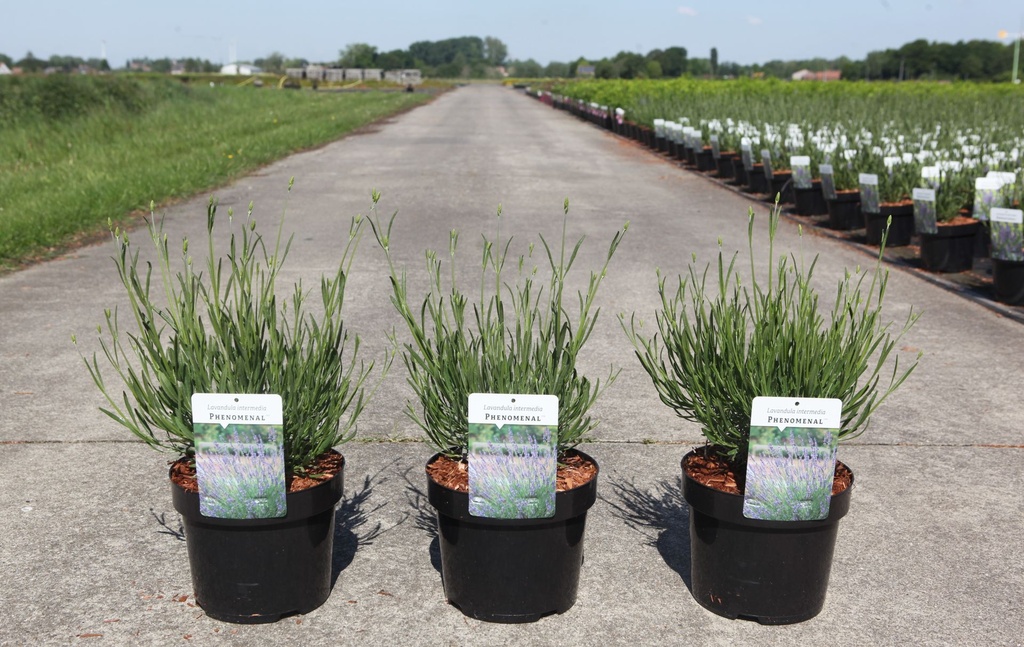
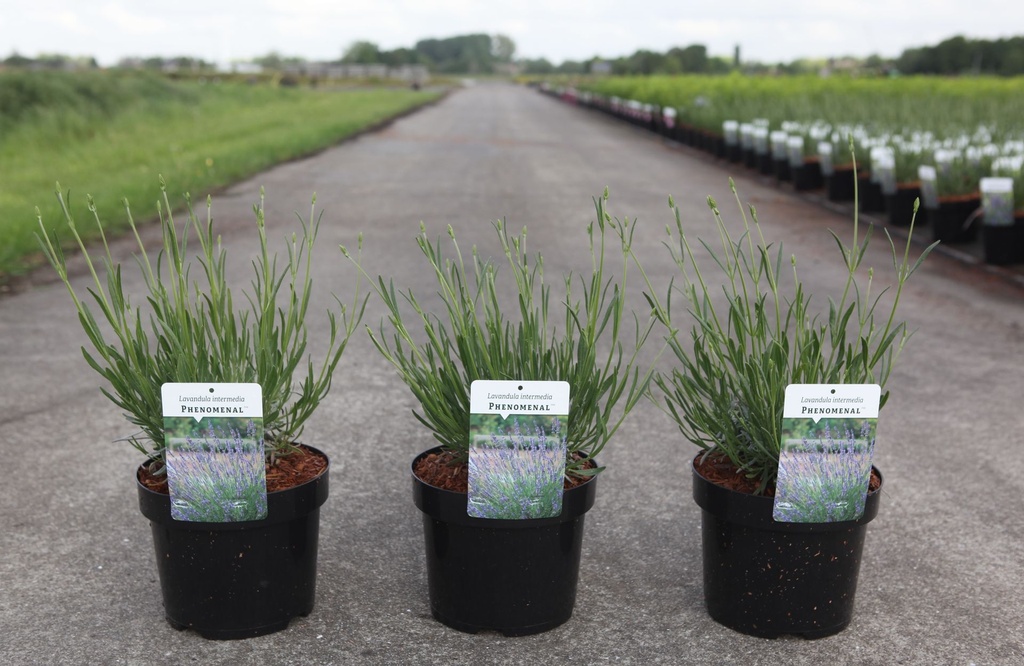
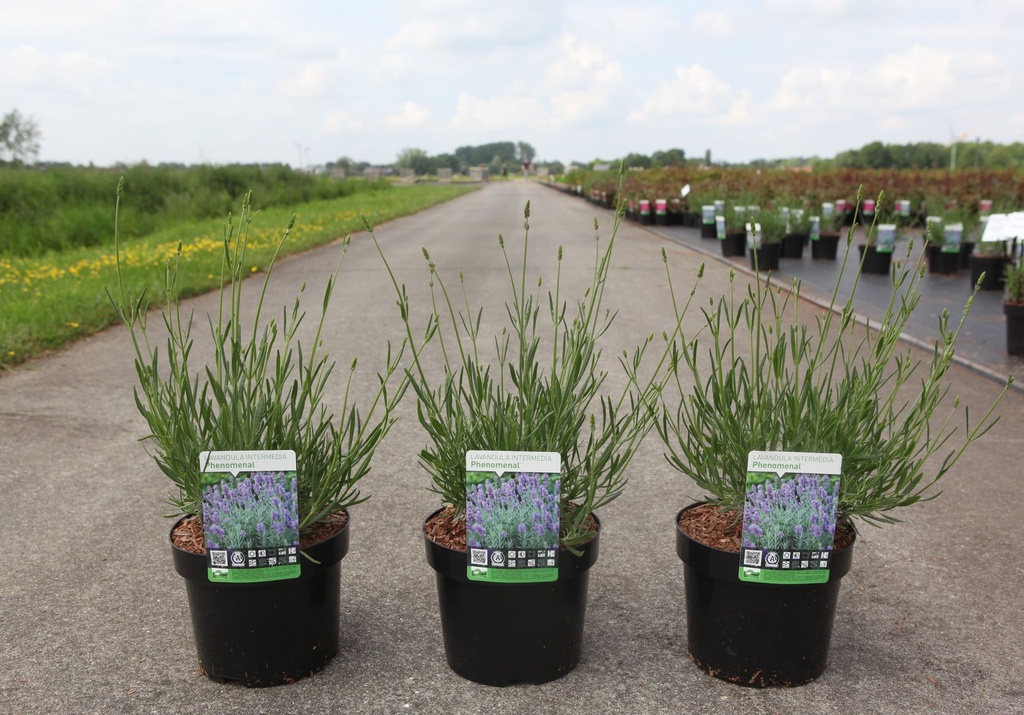
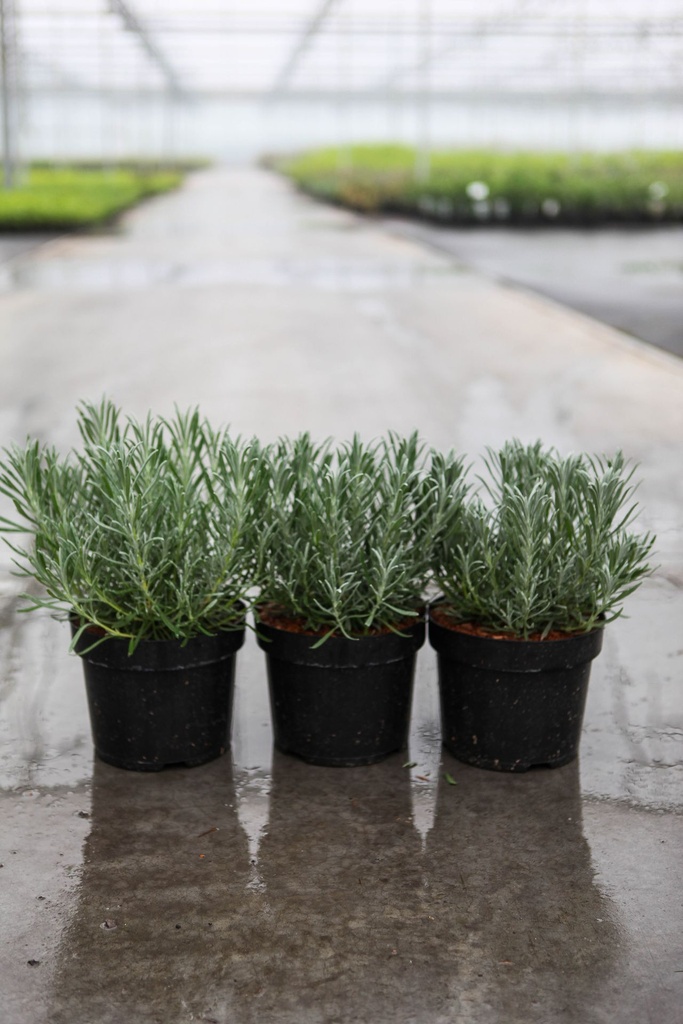
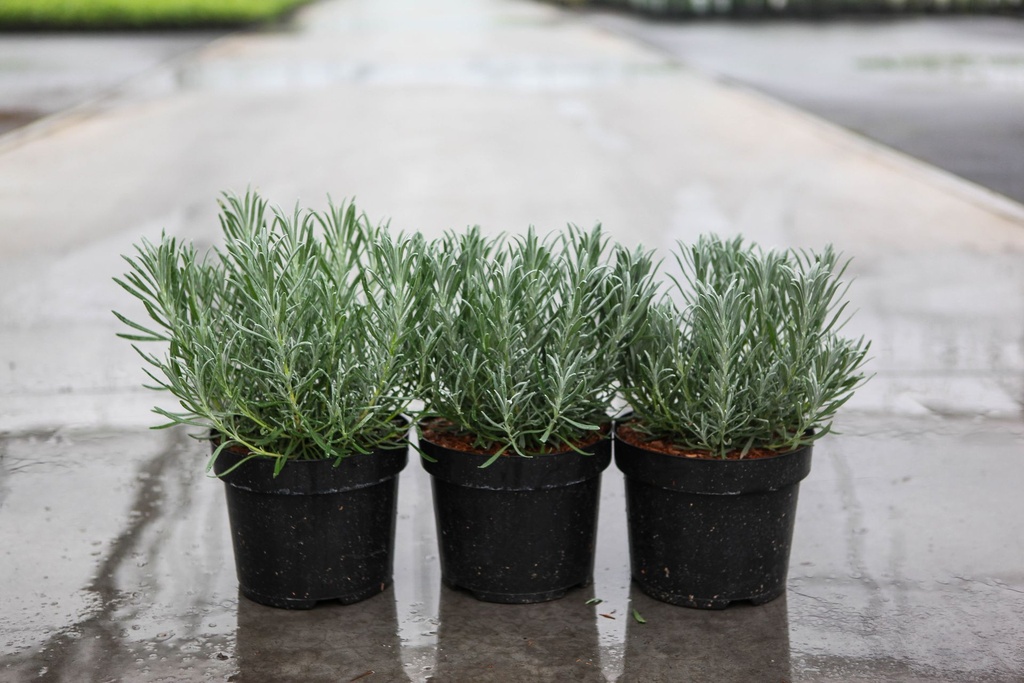
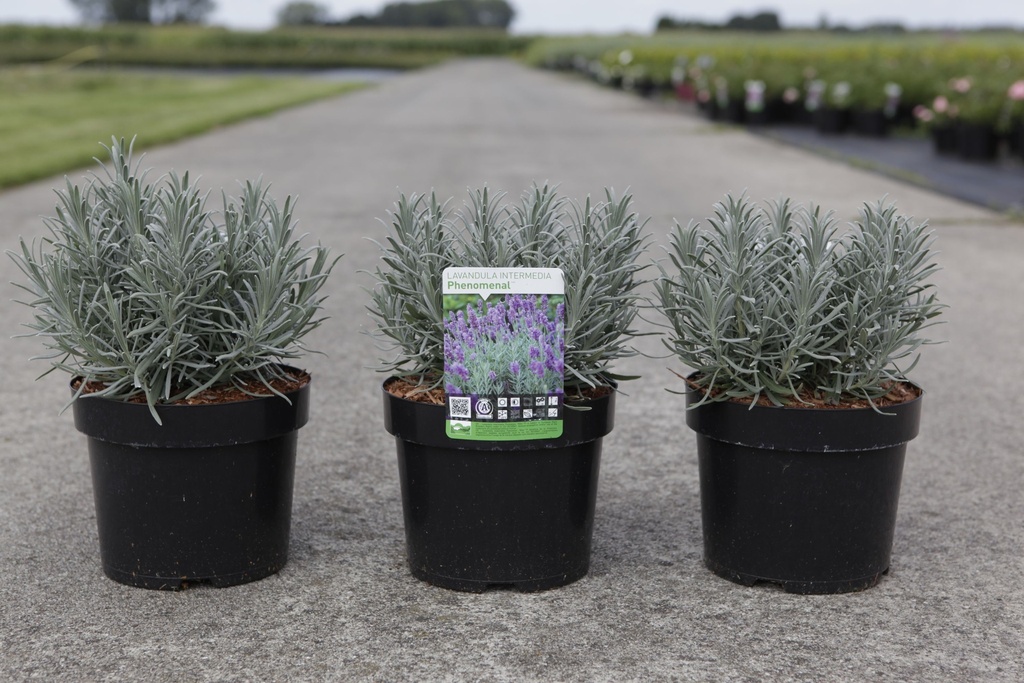
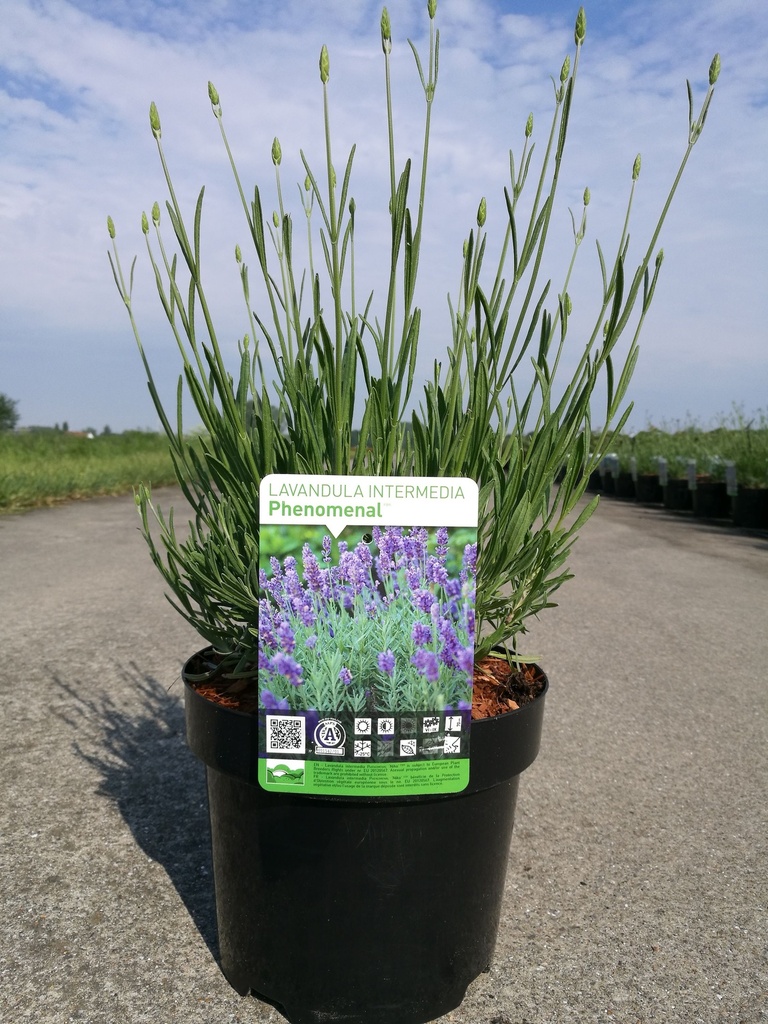
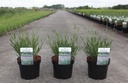
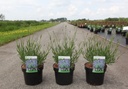
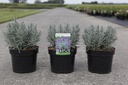
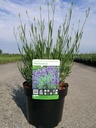
Phenomenal has strong stems and roots, so it grows into a bush of about 45 to 60 cm tall and 90 cm across that holds its rounded shape under its big purple spikes without splaying apart. The main flush comes in summer; cutting back spent stems brings a second in August and September. It won a bronze KVBC award.
Lawenda Lavandula
Lawenda (Lavandula) to rodzaj obejmujący około dwudziestu pięciu aromatycznych półkrzewów, występujących od wysp atlantyckich przez basen Morza Śródziemnego po Indie. Drobne kwiaty są zebrane w osadzone na szypułach kłosy nad wąskimi, zimozielonymi, przeważnie szarymi liśćmi. Najbardziej mrozoodporne są lawenda wąskolistna, Lavandula angustifolia, i jej mieszańce (lawandyna); czubata lawenda francuska, Lavandula stoechas, oraz inne gatunki południowe są wrażliwsze na mróz.
Lavandula intermedia
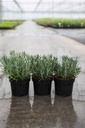
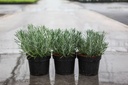
Lavandin (Lavandula x intermedia) is a natural hybrid of true lavender and spike lavender, found where both grow together in the mountains of southern France. It is larger and more vigorous than true lavender, forming a broad cushion with long stems carrying slender, strongly scented spikes over a long season in summer.
Stanowisko i gleba
Lavandin wants full sun and a dry, stony, perfectly drained soil; it is tolerant of lime. Leave enough space, as it spreads wider than true lavender. It is the most cold-resistant lavender group and stays outdoors all year in Belgium, provided the roots do not stand wet in winter.
Przycinanie i pielęgnacja
Prune between August and October, after flowering: cut the spent flower stems close to their base with shears, then reduce the leafy shoots by about a third. Never cut into bare old wood. This yearly trim keeps the cushion dense and stops it falling open in the centre.
Zastosowanie w ogrodzie
Lavandin is the lavender for larger effects: mass planting, low informal hedges, sunny slopes, gravel gardens and large containers. It is very attractive to pollinators, and its long-stemmed flowers are ideal for cutting and drying.
Cechy rośliny
Dane botaniczne
| Rodzina | Lamiaceae |
| Rodzaj | Lavandula |
| Gatunek | intermedia |
| Odmiana | 'Niko' |
| Nazwa handlowa | Phenomenal (PBR) |
Kwitnienie
| Okres kwitnienia | june – july |
| Kolor (kwiat) | blue |
Liście
| Zimozielony | yes |
| Kolor (liście) | green |
Pokrój
| Wysokość | 50 cm |
Stanowisko
| Mrozoodporność | strefa 5a (do -28,9 °C) |
| Upały letnie | do strefy upałów 8 |
| Stanowisko | sun |
| Wilgotność gleby | dry |
Zastosowanie
| Typ (zastosowanie) | hedge plant, ground cover, in group |
Pielęgnacja
| Cięcie | august – october |
Wyłączne prawo do odmiany
Lavandula intermedia 'Niko' PHENOMENAL (PBR) is subject to European Plant Breeders Rights under nr. 20120567. Asexual propagation and/or use of the trademark without license are prohibited.