

|
s
|
l
|
m
|
k
|
m
|
c
|
l
|
s
|
w
|
p
|
l
|
g
|
|
s
|
l
|
m
|
k
|
m
|
c
|
l
|
s
|
w
|
p
|
l
|
g
|
|
s
|
l
|
m
|
k
|
m
|
c
|
l
|
s
|
w
|
p
|
l
|
g
|
O tej roślinie
Co wyróżnia tę roślinę
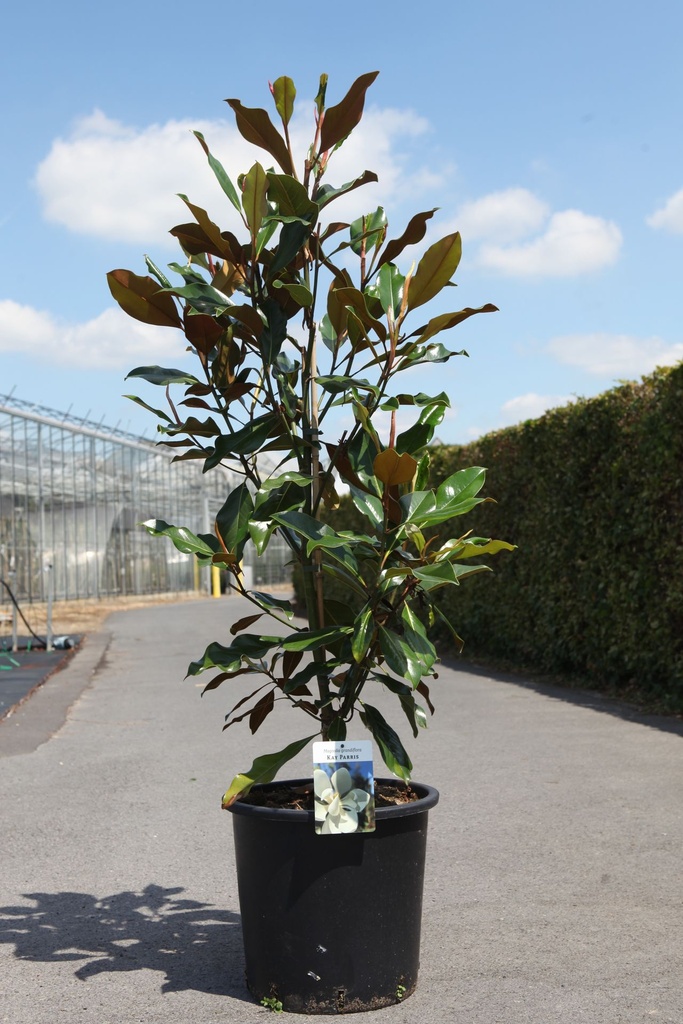
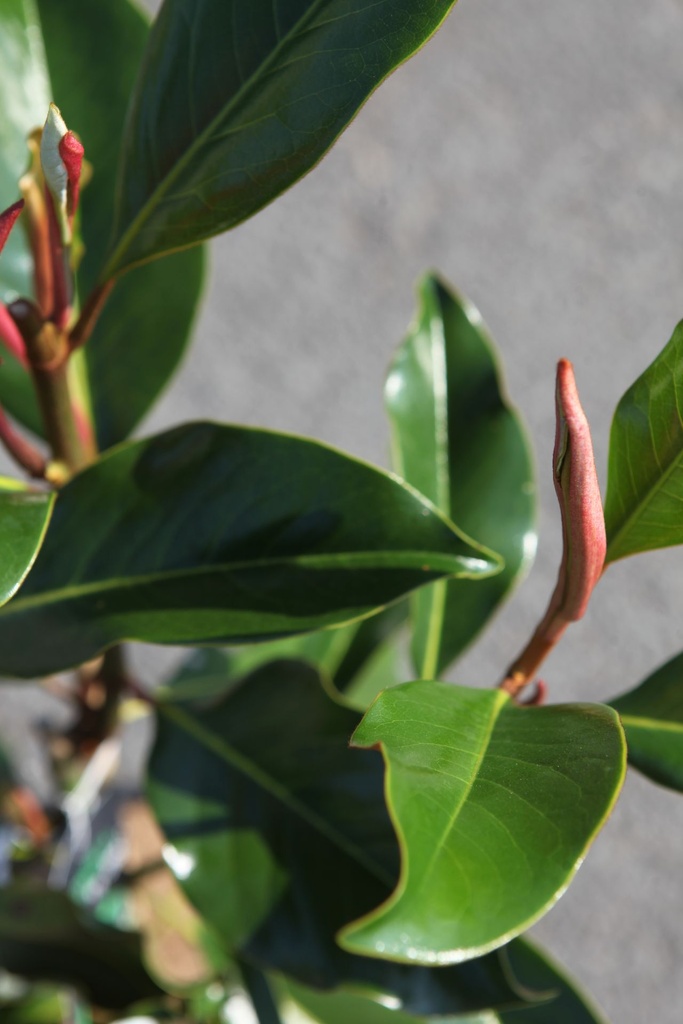
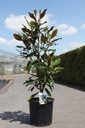
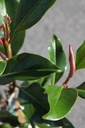
'Kay Parris' was raised in South Carolina in 1991 by Kevin Parris and combines a compact, densely branched habit, about 3 m after ten years, with better hardiness than 'Little Gem'. Its wavy-edged leaves carry a very dark brown felt beneath, and the scented flowers keep coming from June into September.
Magnolia
Magnolie (Magnolia) to drzewa i krzewy z Azji Wschodniej i obu Ameryk, łącznie około 330 gatunków. W ogrodach uprawia się głównie wschodnioazjatyckie gatunki zrzucające liście i ich mieszańce, które wiosną otwierają na bezlistnych gałęziach duże białe, różowe lub purpurowe kwiaty w kształcie gwiazd, czasz lub kielichów, często pachnące. Inne gatunki kwitną latem, a nieliczne są zimozielone, o ciemnych, błyszczących liściach.
Magnolia grandiflora
The southern magnolia (Magnolia grandiflora) is an evergreen tree from the moist woodlands of the south-eastern United States. It forms a broad, pyramidal crown of thick, glossy dark green leaves, often felted rusty-brown beneath, and from June to September bears very large, creamy-white flowers with a strong lemony scent.
Stanowisko i gleba
Give it a sunny or half-shaded position and a deep, fertile soil that drains freely, ideally acid to neutral. A little lime is accepted, but on strongly calcareous ground the foliage turns pale and yellowish. Once established it copes with moderate frost; in colder districts, shelter from cold winds or the warmth of a sunny wall makes a real difference.
Przycinanie i pielęgnacja
It needs no pruning. The fleshy roots are easily damaged, so lift the root ball gently and set the plant no deeper than it grew in the pot. Water young trees regularly until they are well settled, usually two or three years, and spread an organic mulch that stays clear of the trunk. Expect to wait several years for the first flowers.
Zastosowanie w ogrodzie
Its size makes it a tree for spacious gardens and parks, where it stands out as a specimen, and its dense evergreen foliage screens a view all year. Against a large sunny wall it can be fan-trained, gaining shelter and warmth that improve flowering. It is also used as an avenue tree and in large tree planters.
Cechy rośliny
Dane botaniczne
| Rodzina | Magnoliaceae |
| Rodzaj | Magnolia |
| Gatunek | grandiflora |
| Odmiana | 'Kay Parris' |
Kwitnienie
| Okres kwitnienia | june – september |
| Kolor (kwiat) | white |
Liście
| Zimozielony | yes |
| Kolor (liście) | green |
Pokrój
| Wysokość | 800 cm, 1000 cm |
Stanowisko
| Mrozoodporność | strefa 7a (do -17,8 °C) |
| Upały letnie | do strefy upałów 10 |
Pielęgnacja
| Cięcie | july – august |